Many people who use cannabis regularly notice that familiar products no longer feel the same. Effects may feel weaker, take longer to appear, or fade faster than expected. This shift is commonly linked to tolerance, a natural response that develops with repeated exposure to THC.
Tolerance breaks for regular cannabis users offer a practical way to reset sensitivity and restore balance. By stepping back for a defined period, the body has time to respond differently when cannabis use resumes. For those who rely on convenient access, including options like Kootenay Botanicals, planning a break can also support more intentional purchasing and use habits. This supporting article explains how tolerance develops, what happens during a break, and how to approach the process with clarity and intention.
What Is a Tolerance Break and Why It Matters?
A tolerance break, often called a T-break, is a planned pause from cannabis use. The goal is to allow the body’s response to THC to recalibrate. For people with daily cannabis habits or frequent cannabis consumption, tolerance can build gradually without obvious warning signs.
Common indicators include:
- Needing higher doses to feel effects
- Shorter-lasting results
- Reduced clarity or satisfaction
- Less noticeable therapeutic response
Tolerance breaks for regular cannabis users are not about abstinence for its own sake. They are a reset strategy. Even short breaks can influence how strongly cannabis affects the body after use resumes.
From an educational standpoint, tolerance breaks also support awareness. They create space to observe patterns, habits, and physical responses without cannabis in the routine.
How THC Tolerance Develops Over Time
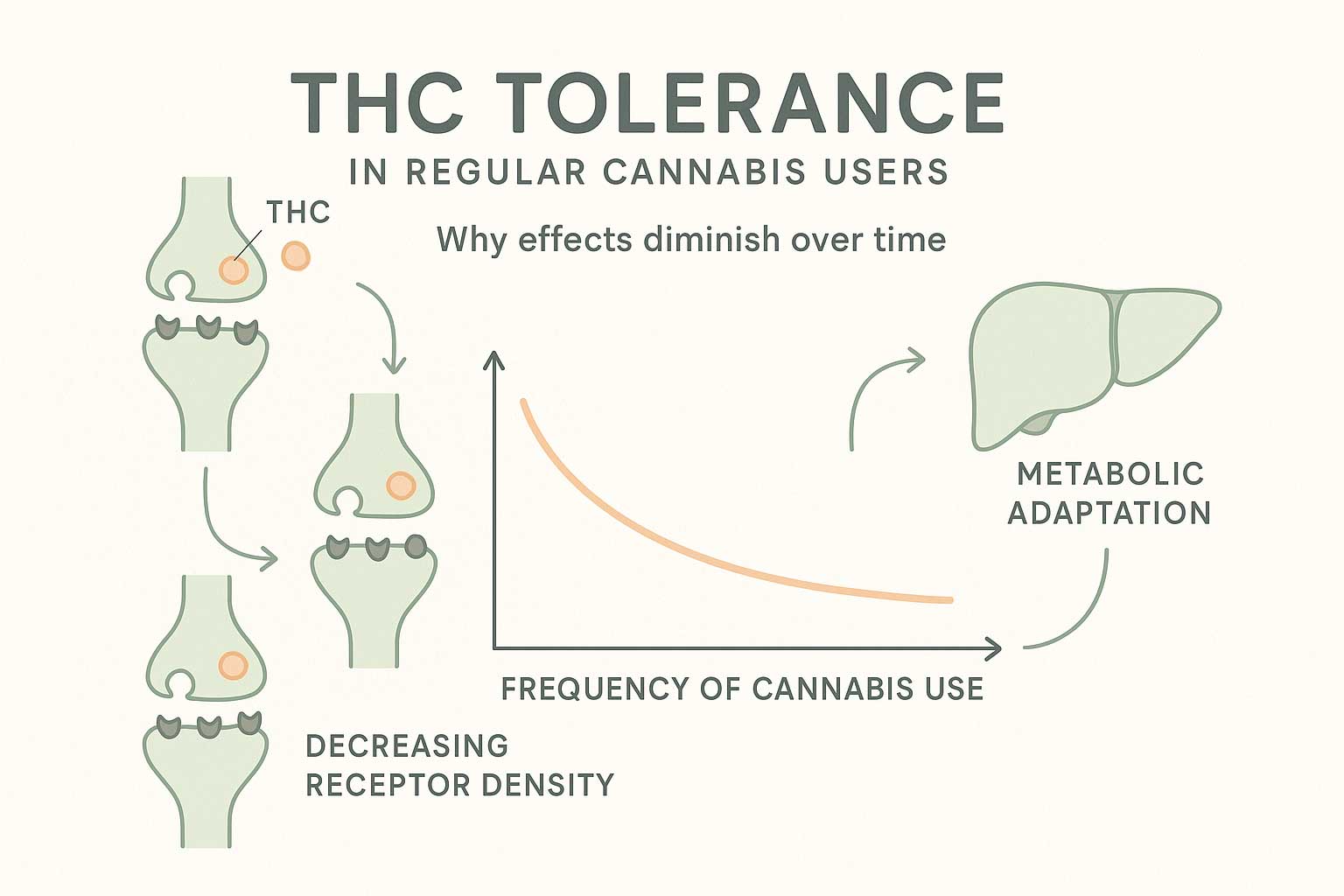
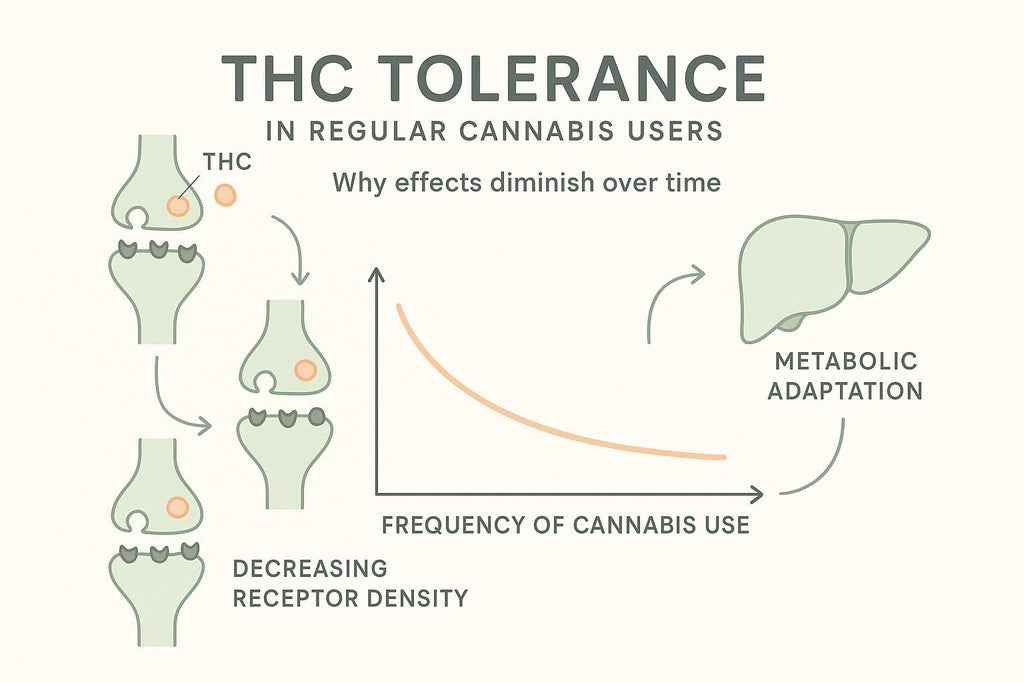
THC tolerance develops as the body adapts to repeated exposure. THC interacts with cannabinoid receptors in the brain and nervous system. With frequent activation, those receptors respond differently.
Over time:
- Receptor sensitivity decreases
- Signal strength changes
- The same amount of THC produces fewer effects
This tolerance effect is not permanent, but it does influence how cannabis feels in the short term. People with high tolerance often assume product quality is the issue. In many cases, the body has simply adapted.
Daily cannabis use, high-THC products, and concentrated forms can increase tolerance more quickly. Edibles, concentrates, and frequent inhalation may accelerate changes when used consistently.
Understanding this process helps remove frustration. Tolerance is a biological response, not a failure of self-control or product choice.
Cannabis Tolerance and Health Considerations
Cannabis tolerance is closely linked to health awareness, especially for people who use cannabis as part of a wellness routine. When tolerance rises, users may increase dose size or frequency to achieve similar effects. This can influence sleep, focus, appetite, and energy levels.
Some users report:
- Reduced motivation
- Disrupted sleep patterns
- Diminished mental clarity
- Emotional flatness
For medical cannabis users, tolerance may reduce symptom relief over time. A tolerance break can help restore responsiveness and support better outcomes with lower doses.
Cannabis dependence is not the same as addiction, but habitual use can feel difficult to interrupt. A planned break offers structure without pressure. It provides a chance to reconnect with baseline energy levels and assess how cannabis fits into daily life.
What to Expect During a Tolerance Break
Experiences during a tolerance break vary. Some people notice a few changes. Others experience mild withdrawal symptoms as the body adjusts.
Possible withdrawal symptoms include:
- Irritability
- Restlessness
- Changes in sleep
- Reduced appetite
- Mood fluctuations
These responses are typically temporary. They often peak within the first few days and ease as the break continues. Staying hydrated, maintaining routines, and engaging in regular physical activity can help support comfort during this phase.
It is also common to notice increased mental clarity or more consistent energy levels after the initial adjustment period. These changes offer insight into how cannabis affects daily rhythm.
Managing Cravings and Habitual Use
Cravings during a tolerance break often relate more to routine than chemistry. Cannabis use is frequently tied to specific times, activities, or social cues.
Helpful strategies include:
- Replacing cannabis routines with new habits
- Staying physically active
- Spending time outdoors
- Engaging in creative or social activities
- Keeping evenings structured
Journaling can also help track changes and reinforce motivation. Writing down reasons for taking a break helps maintain focus when habits feel automatic.
For people concerned about cannabis dependence, speaking with a health professional can provide reassurance and guidance. Support does not mean something is wrong. It reflects a proactive approach to health.
How Long Should a Tolerance Break Last
There is no universal length for a tolerance break. The right duration depends on frequency of use, product strength, and personal goals.
General ranges include:
- 48 hours for light or occasional users
- 5 to 7 days for frequent cannabis use
- 10 to 14 days for daily cannabis habits
Some users choose longer breaks, while others benefit from shorter pauses taken more regularly. Research and user reports suggest that even brief breaks can influence THC tolerance.
The most effective tolerance break is one that feels realistic and achievable. Consistency matters more than length. Setting a clear timeframe reduces uncertainty and supports follow-through.
Reintroducing Cannabis After a Break
Returning to cannabis after a tolerance break often feels noticeably different. Many users report stronger effects from smaller amounts. This is an opportunity to reset consumption patterns.
Helpful reintroduction tips:
- Start with lower doses
- Choose balanced or lower-THC products
- Space sessions further apart
- Pay attention to the onset and duration
This phase supports long-term moderation. Instead of returning to previous habits immediately, users can establish new rhythms that reduce the need for frequent breaks.
For those using cannabis for medical reasons, this step can improve effectiveness while reducing overall consumption.
A Practical T-Break Guide for Regular Users
A simple t-break guide helps create structure without complexity.
Suggested steps:
- Choose a start date and duration
- Remove cannabis from easy access
- Plan evening routines in advance
- Support sleep with consistent schedules
- Stay hydrated and eat regularly
- Track physical and mental changes
Approaching a tolerance break with curiosity rather than restriction makes the process easier. It becomes an experiment, not a test.
At Kootenay Botanicals, education supports informed cannabis use. Understanding tolerance empowers better decisions before, during, and after a break.
Building a Balanced Relationship With Cannabis
Tolerance breaks are one tool among many. They encourage awareness, moderation, and intentional use. Over time, regular breaks may reduce the need for higher doses and improve overall satisfaction.
For people who enjoy cannabis regularly, balance comes from understanding how the body responds. Breaks help restore sensitivity while reinforcing choice and control.
Learning when to pause is part of long-term cannabis literacy. It supports health, enjoyment, and sustainability.
Reset Your Experience and Return With Clarity
A tolerance break gives your body space to respond differently and helps restore the effects you may have been missing. When you return with intention, smaller amounts can feel more satisfying and consistent. Whether you are planning a short pause or adjusting long-term habits, informed choices make a difference.
Kootenay Botanicals supports thoughtful cannabis use through education and carefully selected products. Learn how a reset can improve balance, comfort, and enjoyment every time you choose cannabis.